
Westminster, MD
Westminster Garage Door Pros
Garage Door Repair for Westminster and the Towns Around It
Garage door repair and replacement for Westminster, MD homes built 1938-2006. We know the torsion springs and steel doors this housing stock actually has.
- Licensed & Insured
- Same-Area Service Calls
- Upfront Pricing
How We Can Help
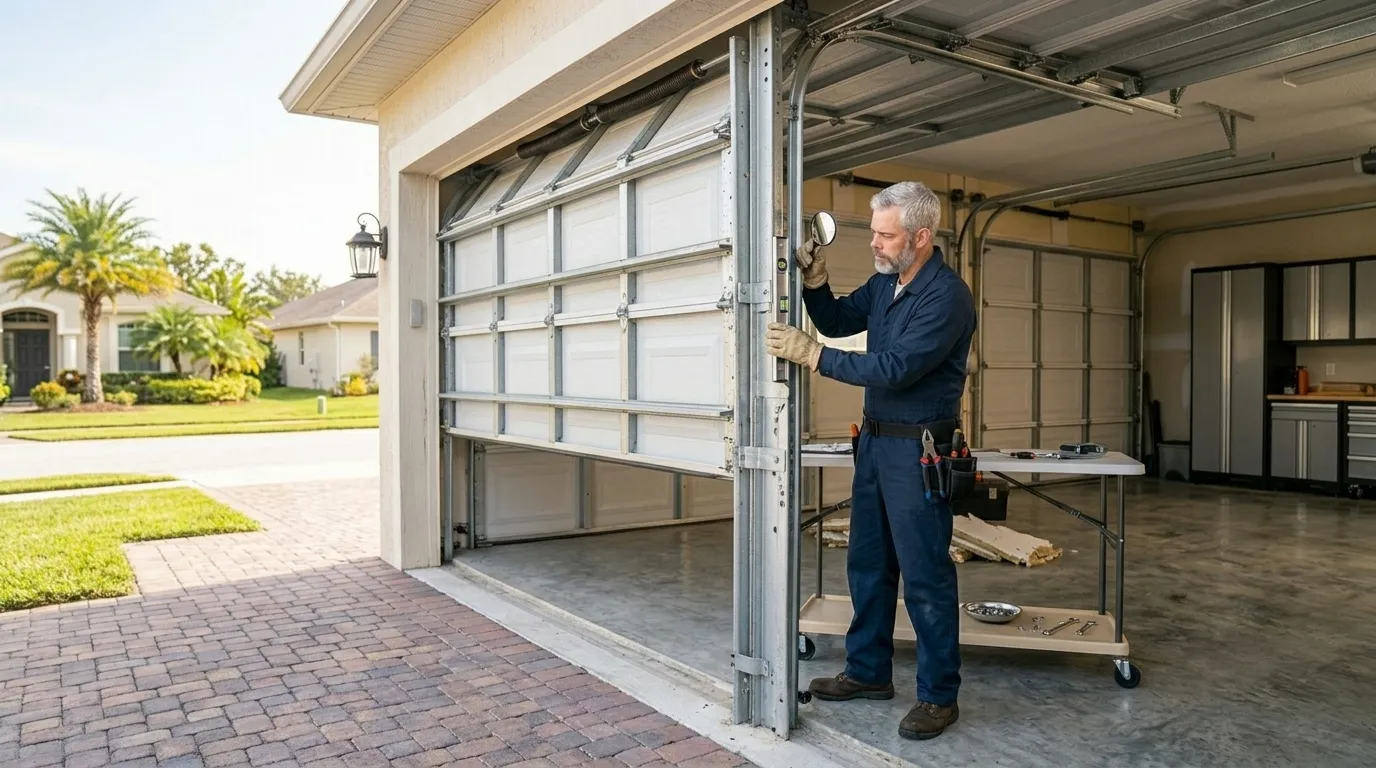
Garage Door Opener Repair
Openers that hum, stall, or reverse - diagnosed and fixed, from worn gears to logic boards.
Learn more →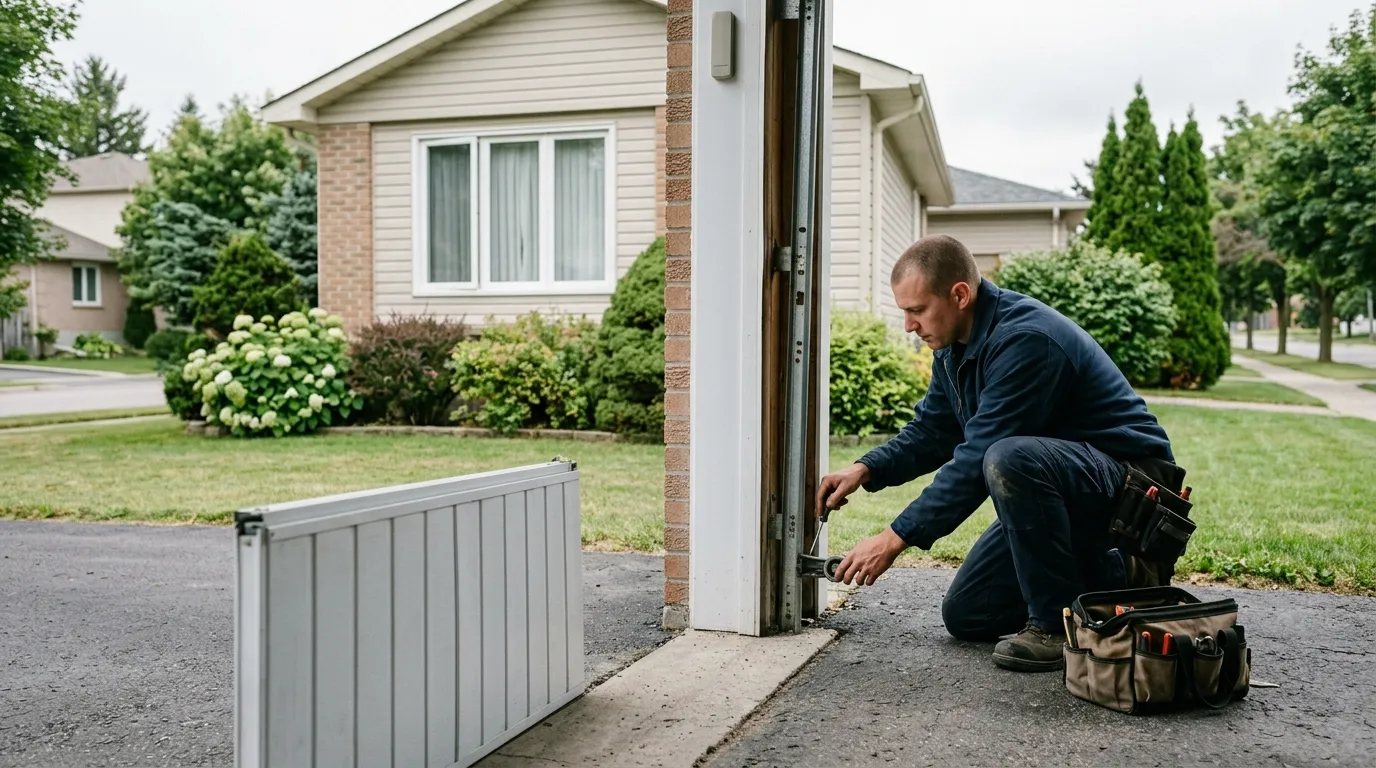
Garage Door Roller Replacement
Worn, noisy rollers swapped for smooth nylon ones so the door runs quiet.
Learn more →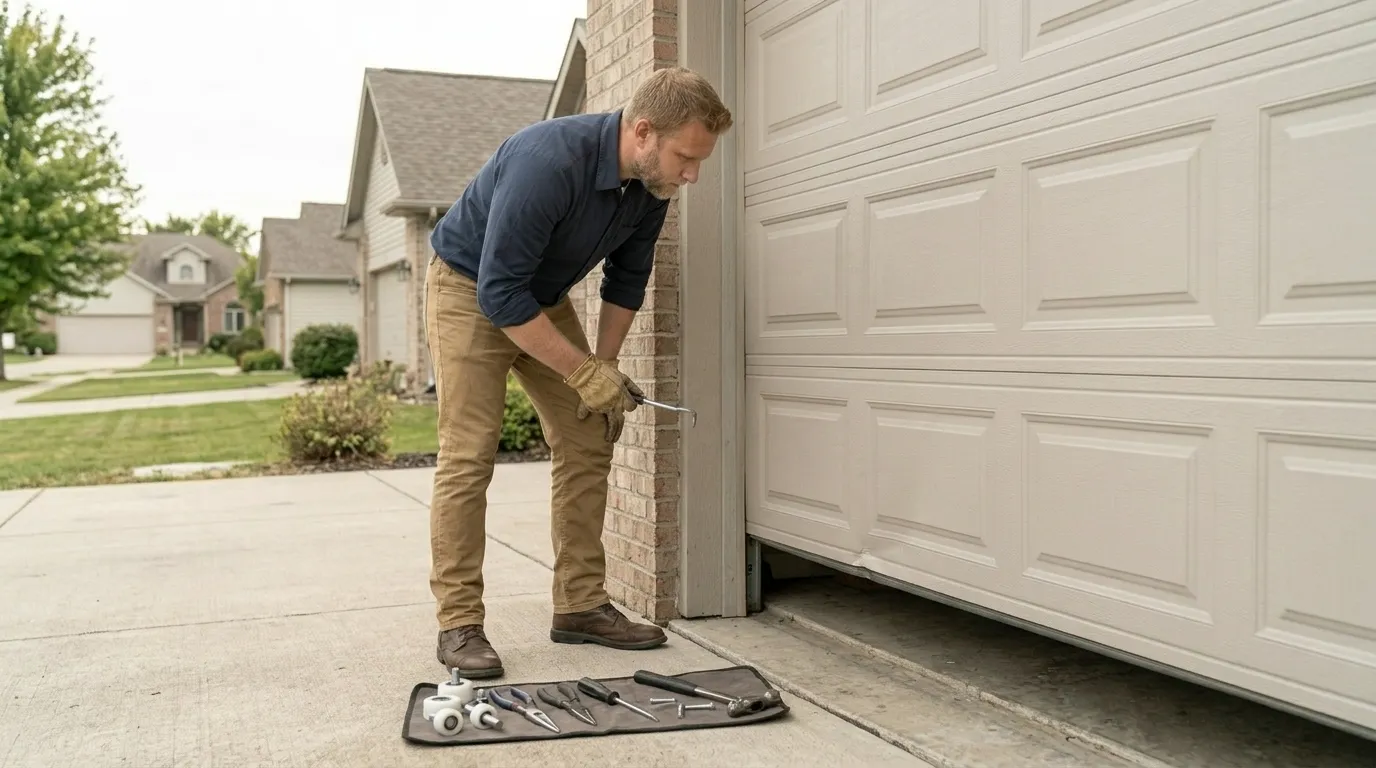
Garage Door Installation
New sectional doors sized and installed for the housing stock actually built in this area.
Learn more →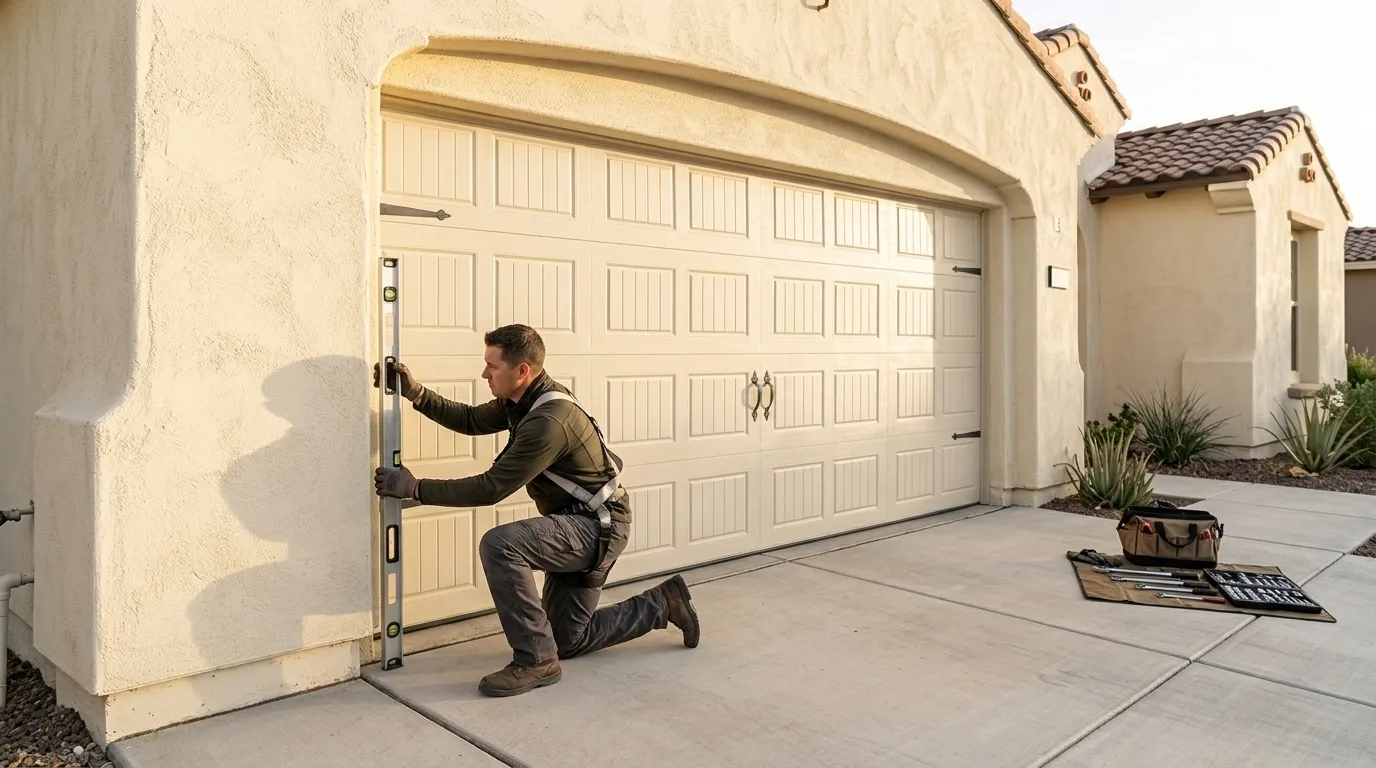
Garage Door Panel Replacement
Dented or cracked panels swapped without replacing the whole door where the frame is sound.
Learn more →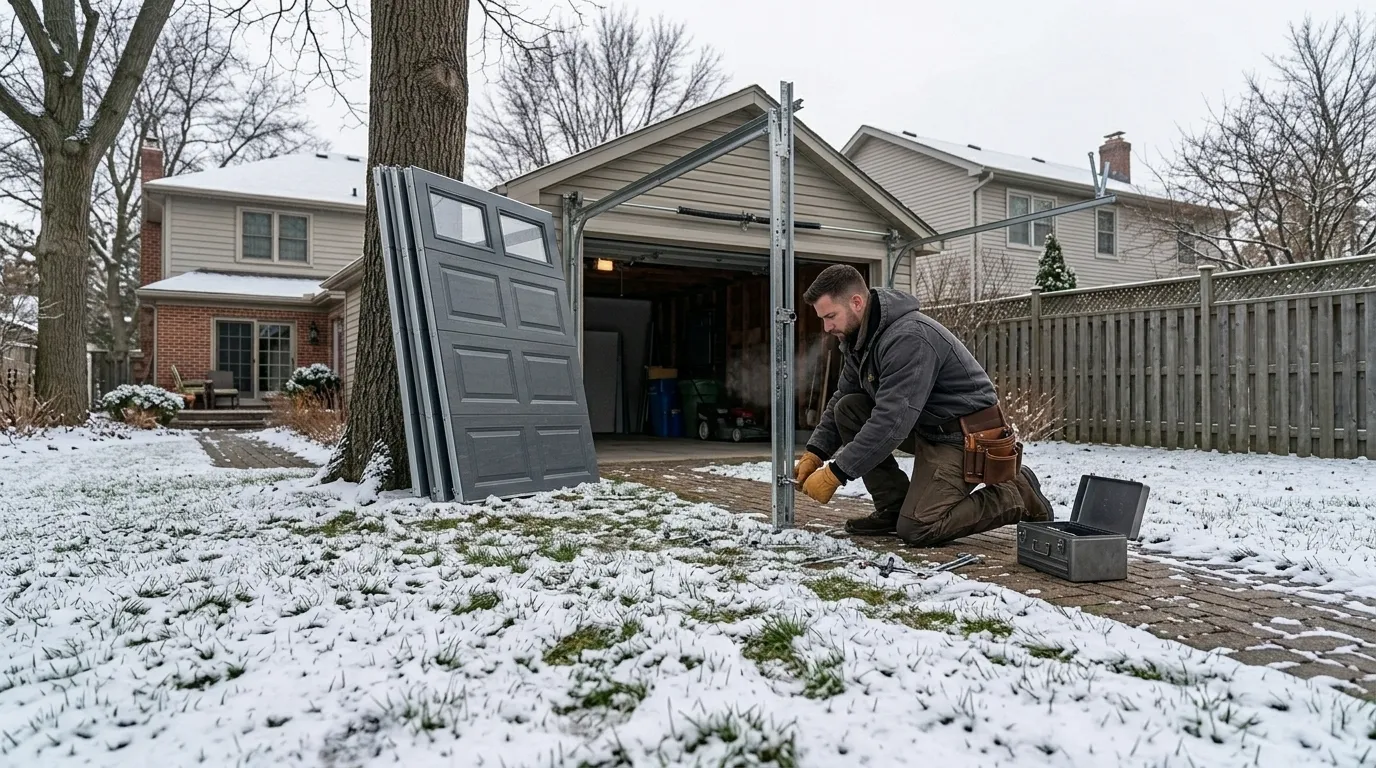
Garage Door Service
Tune-ups, lubrication, and safety checks that catch a small problem before it becomes a service call.
Learn more →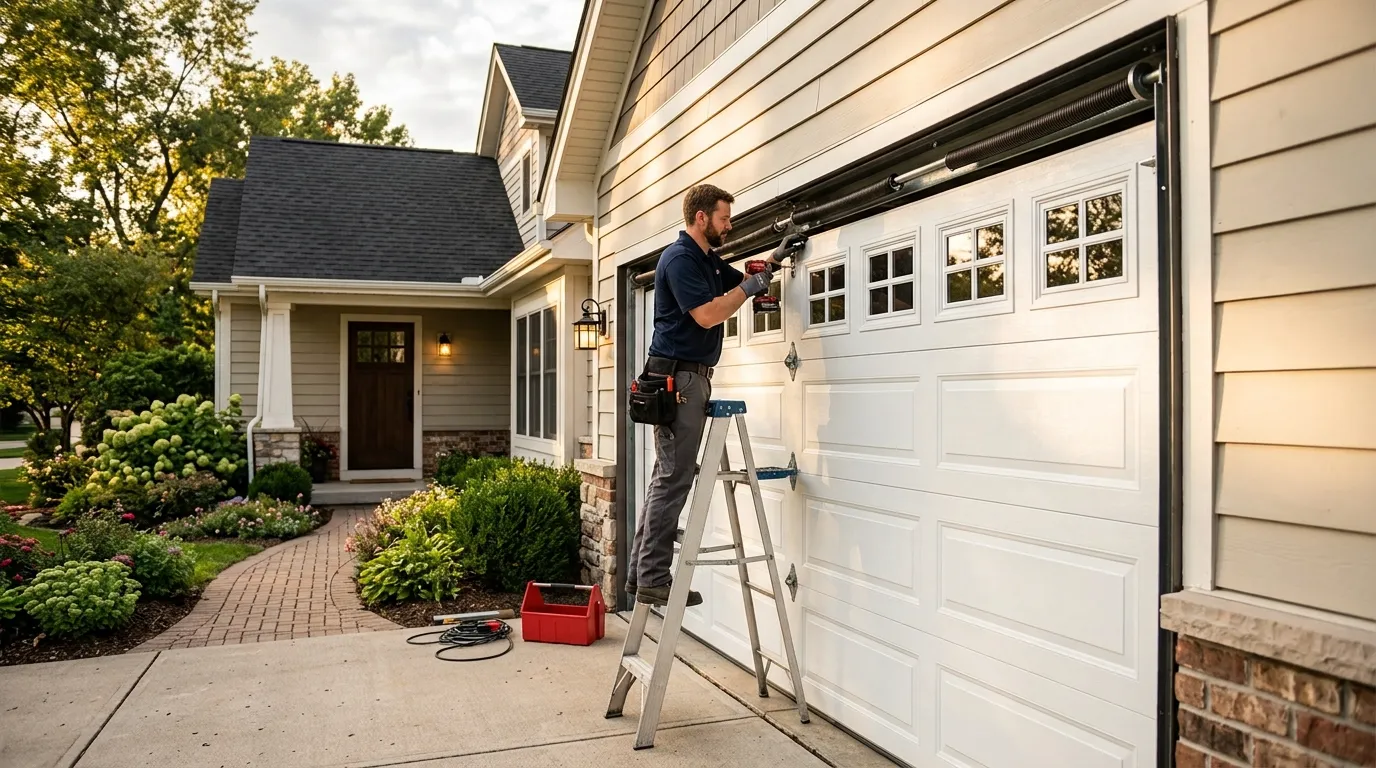
Garage Door Repair
Springs, cables, tracks, rollers, and openers fixed by a tech who explains the problem before touching anything.
Learn more →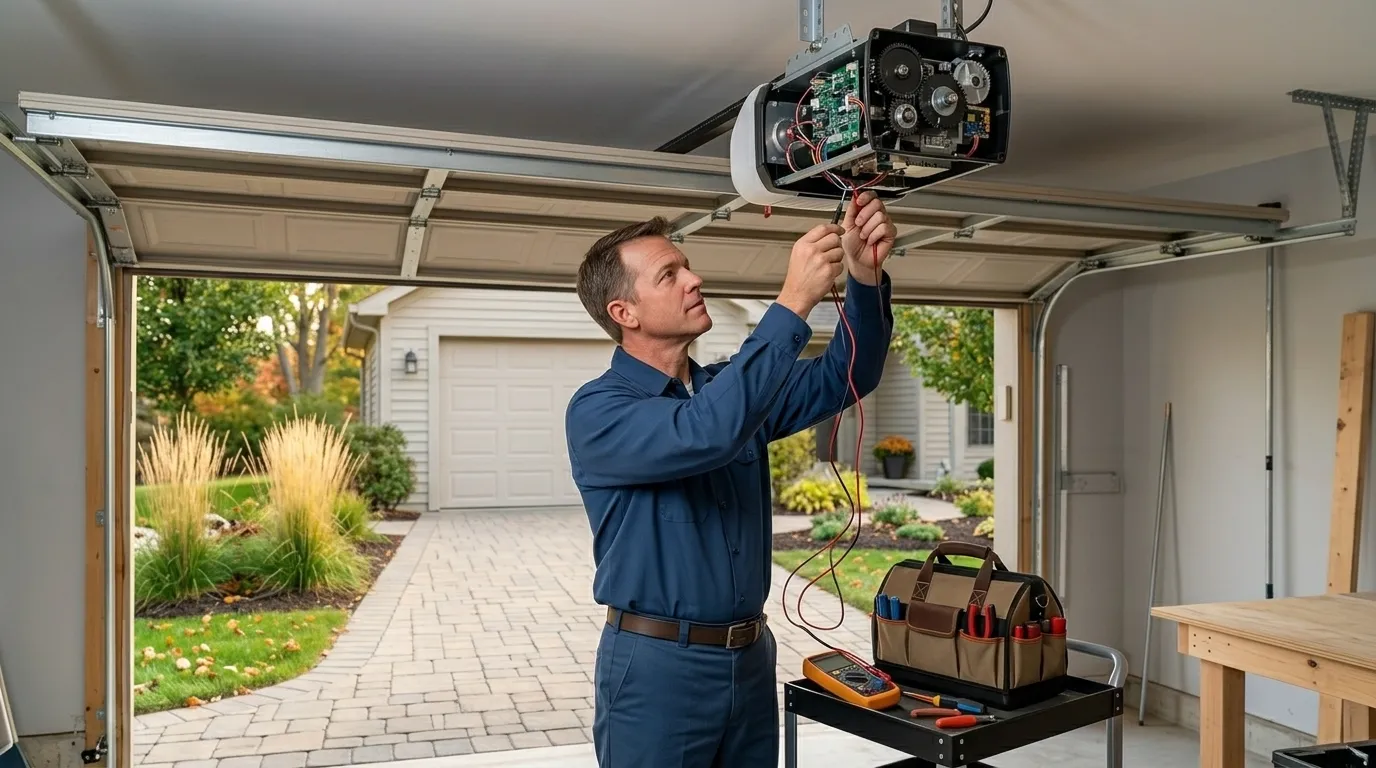
Garage Door Off Track
Doors that jumped the track reset safely, with rollers and alignment checked so it holds.
Learn more →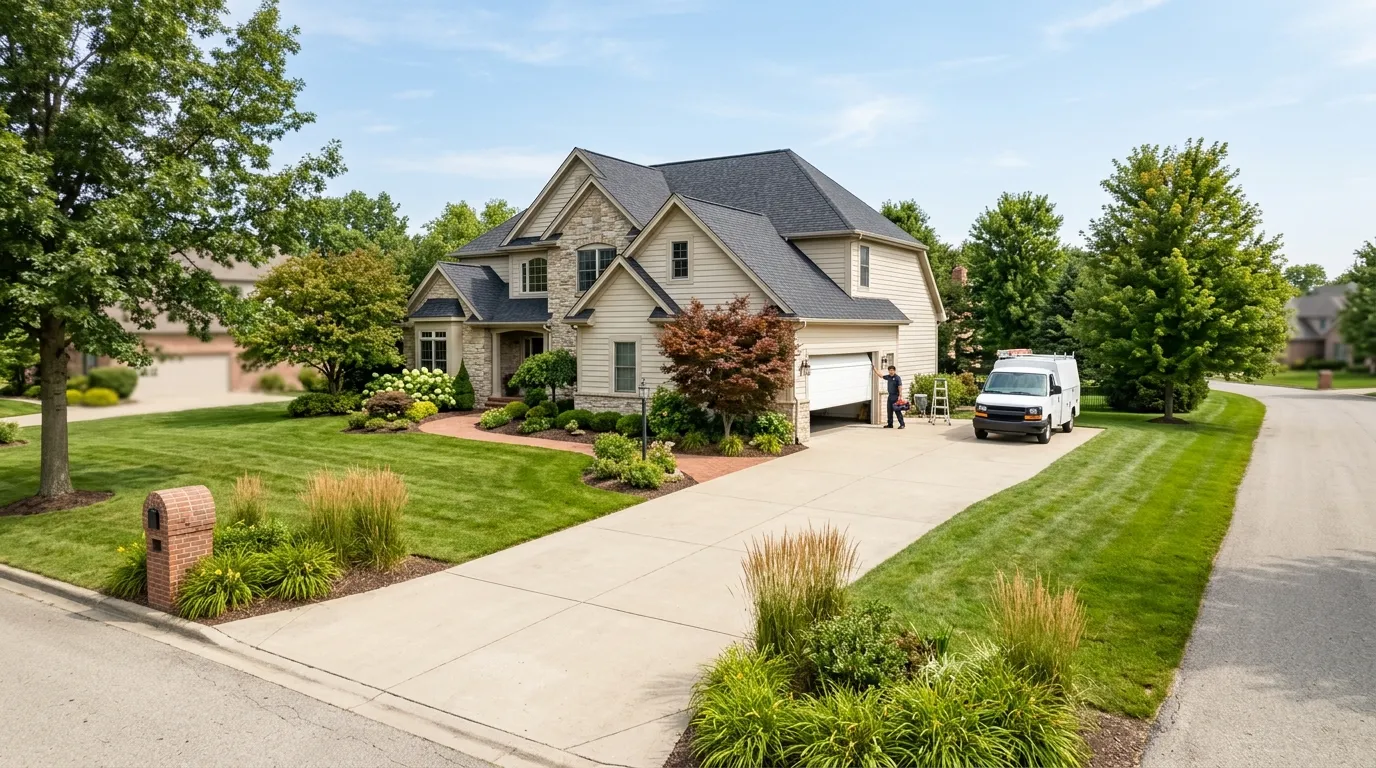
Garage Door Cable Repair
Frayed or snapped lift cables replaced and tensioned so the door lifts level and safe.
Learn more →Why Westminster Calls Us
Local facts, not a franchise script.
What Happens When You Call
-
1
Call or Request a Quote
Tell us what the door is doing and roughly how old the house is - that alone points us toward the likely part before a truck leaves.
-
2
On-Site Diagnosis
A tech checks the spring, cables, tracks, and opener in person and tells you plainly what is actually wrong.
-
3
Straight Price, No Surprises
You get a number before any work starts. It covers parts and labor, nothing added after the fact.
-
4
Fixed the Same Visit
Most repairs are done in one trip. If a part needs sourcing, we tell you that upfront instead of guessing.
The Area and Its Housing
We work out of Westminster and cover the ring of towns around it - New Windsor six miles off, Manchester and Hampstead at eight, Union Bridge at nine, Taneytown at ten, and out to Sykesville, Libertytown, Mount Airy, Woodsboro, Lisbon, Garrison, Emmitsburg, and New Market at the far edge of a service call. The housing stock here runs from 1938 up through 2006, with the median build year sitting at 1991, and most of what we see falls into 1980s and 90s construction spread across thirteen named subdivisions and areas. That means a lot of doors are original steel sectional units on extension or early torsion setups, installed by the builder and never touched since.
If your house went up in that stretch, the opener in your garage is probably its second one, not its first, and the springs have likely already been swapped at least once. Older pockets from the late 1930s through the 1960s exist too, mixed in rather than clustered, and those tend to have narrower openings and hardware that doesn't match anything on a big-box shelf. Knowing which decade built your street tells us more about what's behind your door than a phone description ever will.
What Breaks Around Here
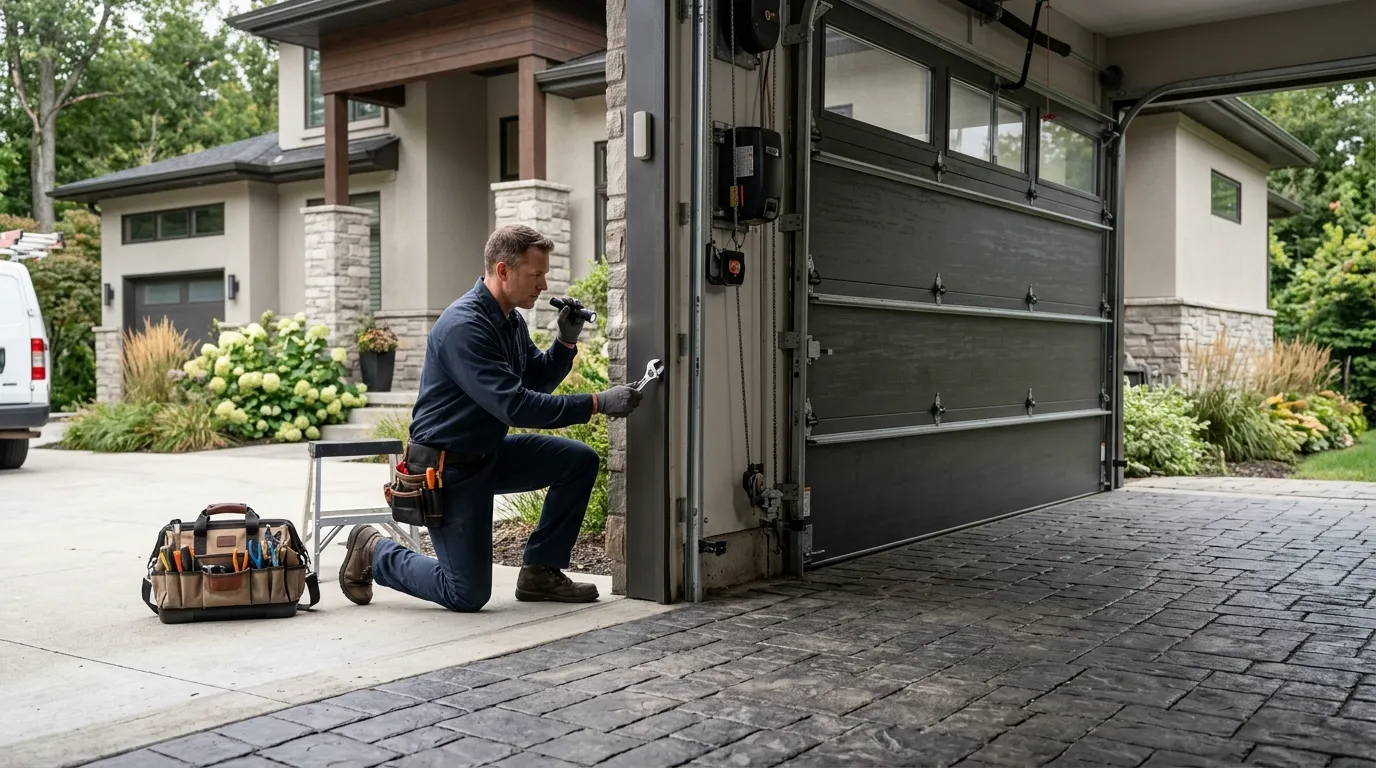
This region sits in a cold, severe climate band, and that shows up in specific ways. Steel tracks and torsion springs contract in hard freezes, and a spring that's been fine all fall will snap on the first single-digit morning because the metal's lost flex right when the door's heaviest to lift by hand. Nylon rollers crack in the same weather and start sounding like gravel in the track.
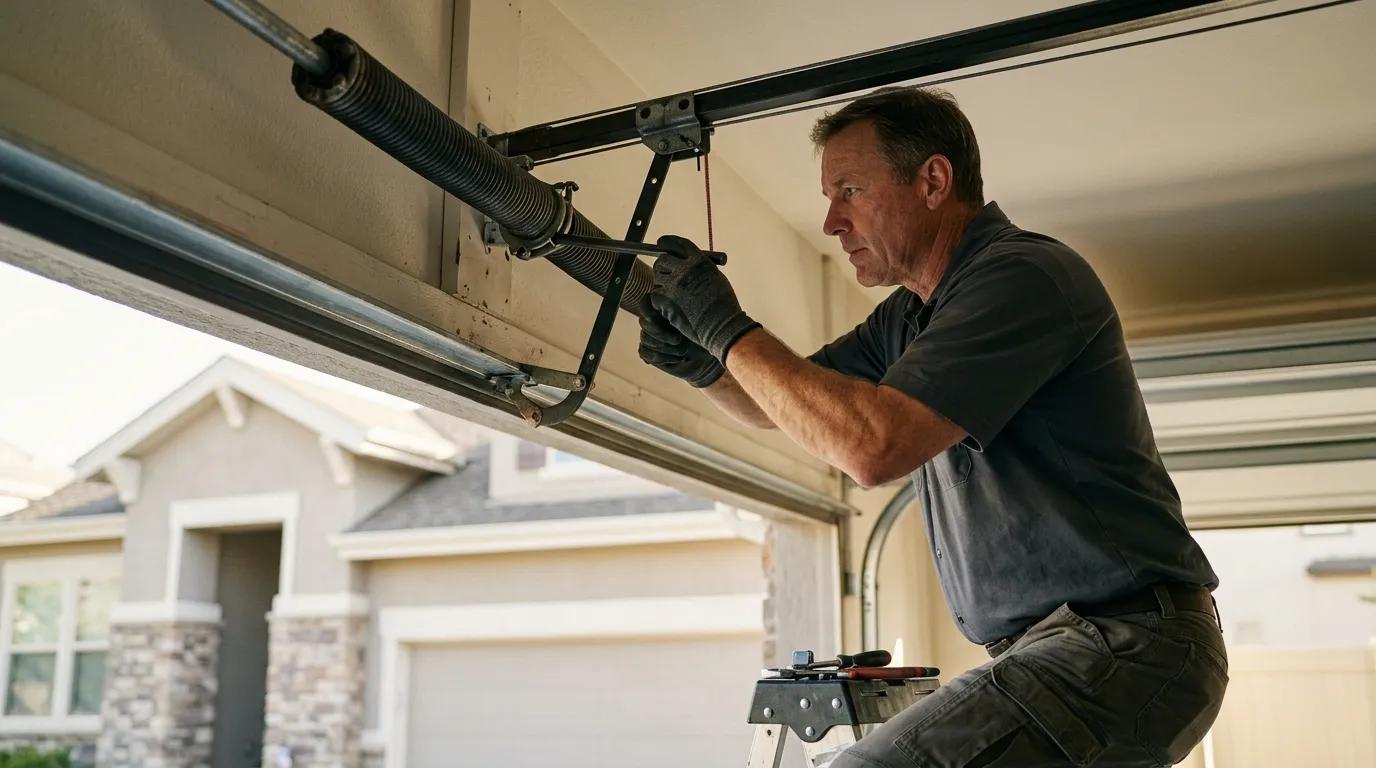
On the 1980s and 90s builds that make up most of this area, we also see a lot of single-torsion-spring setups on double doors - original equipment, now 30-plus years old, holding up panels that weigh more than they did when new because of accumulated moisture in older wood-composite doors. Openers from that same build era are past any reasonable service life; the logic boards fail, not just the motors. What we don't see much of here is exotic damage - it's rarely a car backing through a panel.
It's cold-weather spring failure, worn cables fraying at the drum, and openers that finally give out after two winters of straining against a spring that should've been replaced already.
When Replacement Wins
A repair makes sense when one part failed and the rest of the door is sound - a snapped spring on a door that still tracks straight, a stripped gear on an opener with good springs underneath it. Replacement makes more sense once you're looking at a door built during that 1938-2006 window with rot at the bottom panel, hardware that's been patched more than once, or an opener old enough that parts are special-order. We'll tell you straight when a repair is throwing money at a door that's going to need the next part in a year anyway.
We won't push a full replacement on a door that just needs a spring and a service call - that's a repair, and we'll say so. The honest limitation here: we don't stock every obsolete panel size from the 1940s and 50s pockets in this area, and if your door is one of those narrower original openings, a matching replacement panel can mean a real wait on order, not a same-day fix.
What Happens When You Call
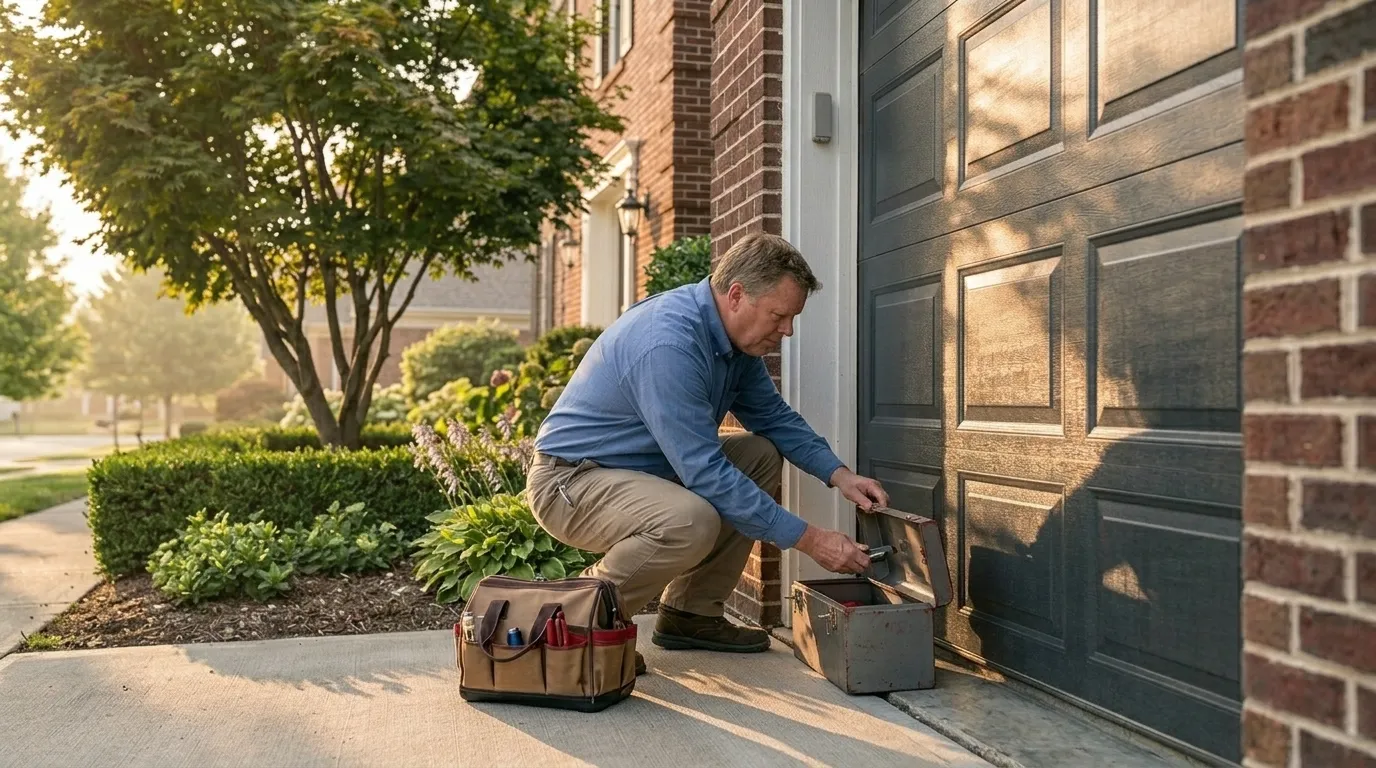
You describe what the door's doing - won't open, sagging on one side, opener clicking but not moving - and we ask enough to get a read on likely cause before the truck's even loaded. Torsion spring failure sounds different from a bad opener capacitor, and cable fraying at the drum has its own tell. We come out, look at the actual hardware behind your wall switch, not just the symptom, and give you a number before we touch anything.
If it's a straightforward spring or cable job, that's usually done same visit. If it needs a part we don't carry on the truck - an obsolete panel, a specific opener board - we'll say so up front and give you a real timeline instead of a guess.
What It Costs and Why
Cost depends on what's actually broken and how old the rest of the door is, not on a flat menu price - a spring swap on a sound door is a different job from replacing an opener that's dragging a worn-out door with it. Given the median household income in this service area sits above $110,000, we quote real parts and real labor rather than a low number that grows once we're inside the garage. We'll walk you through why a job costs what it costs before we start, and if a cheaper fix is genuinely the better call for your situation, we'll tell you that instead of upselling a full replacement you don't need yet.
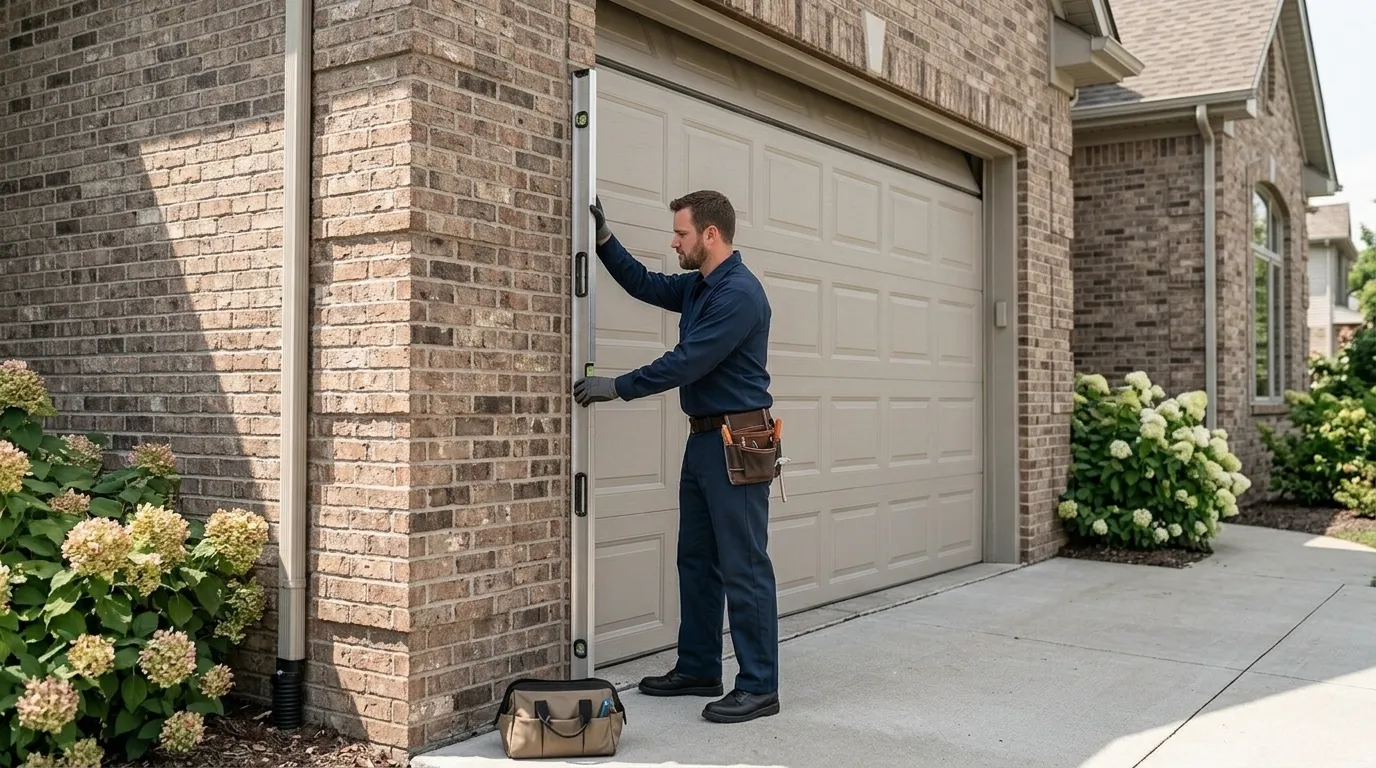
Recent Work Around Westminster
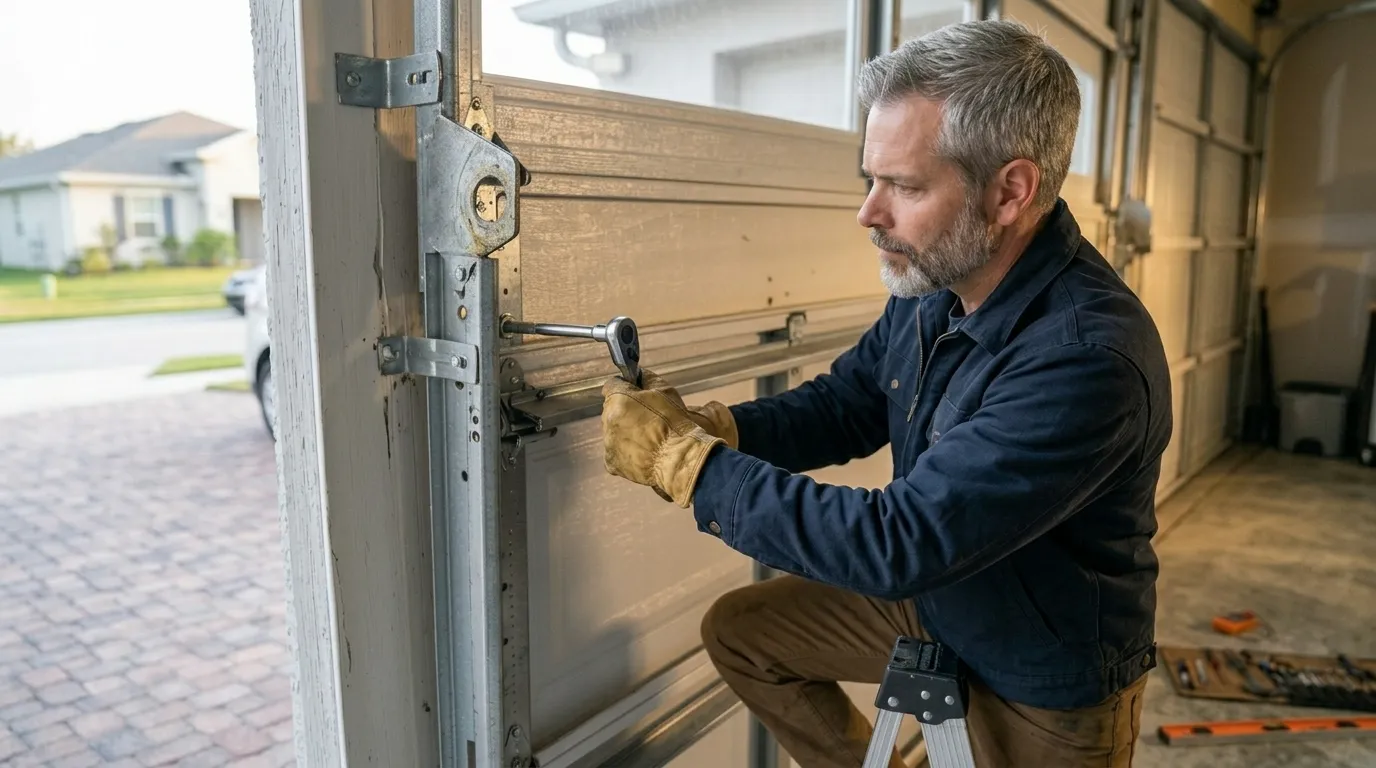
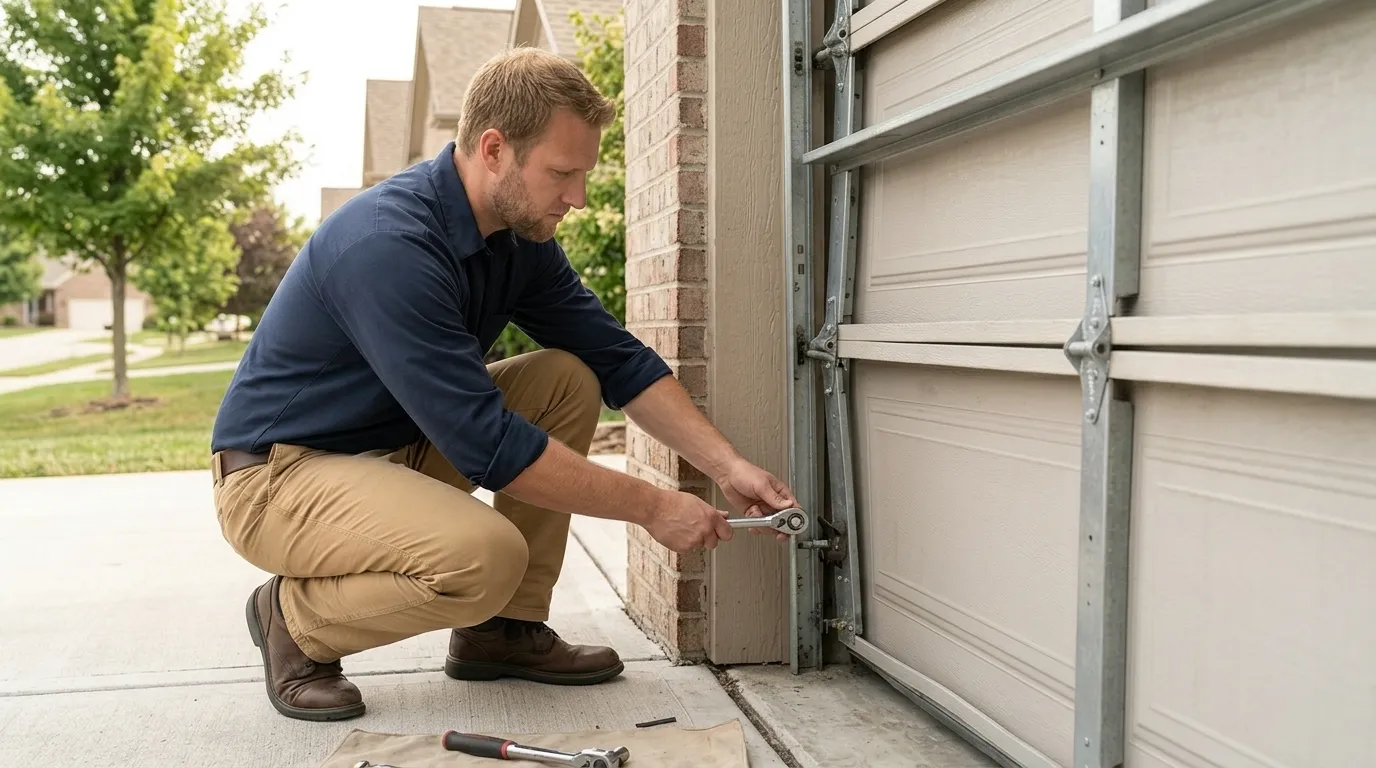
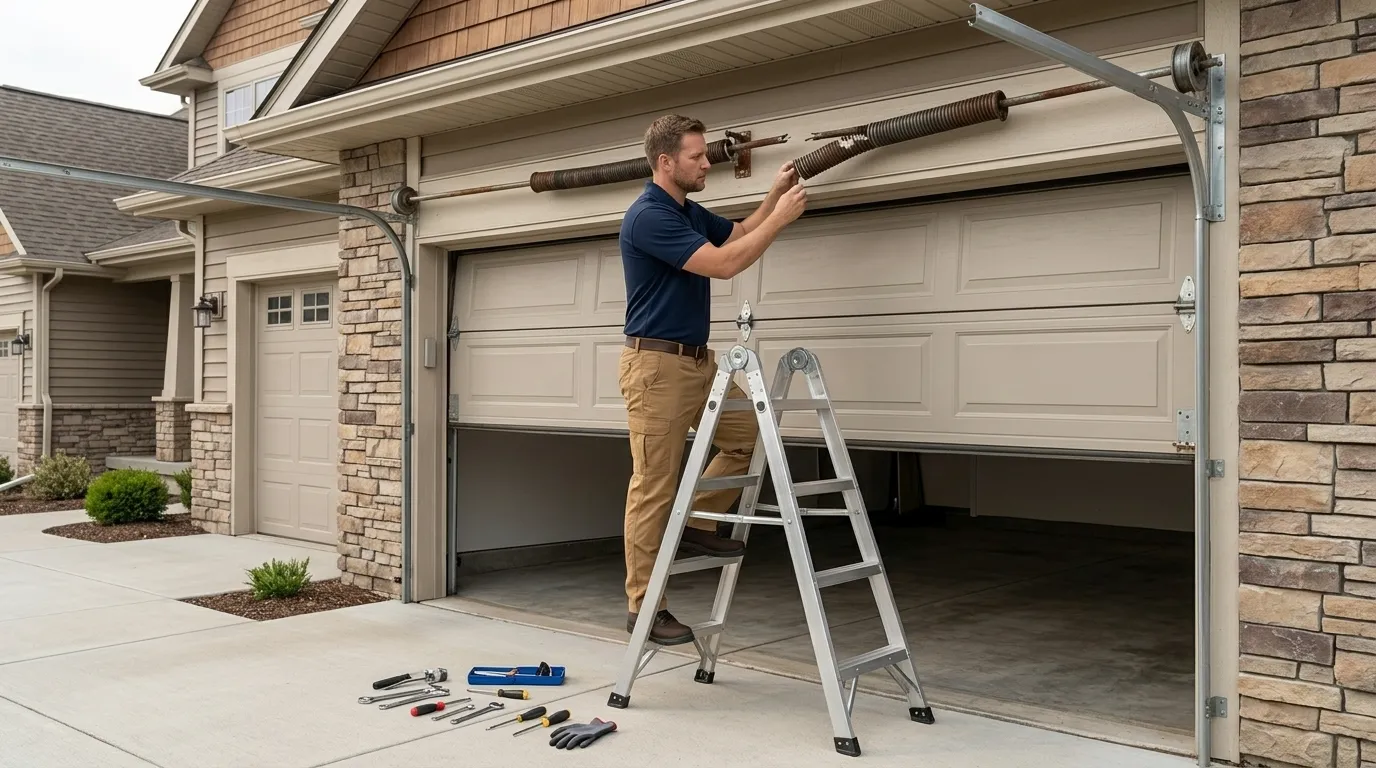
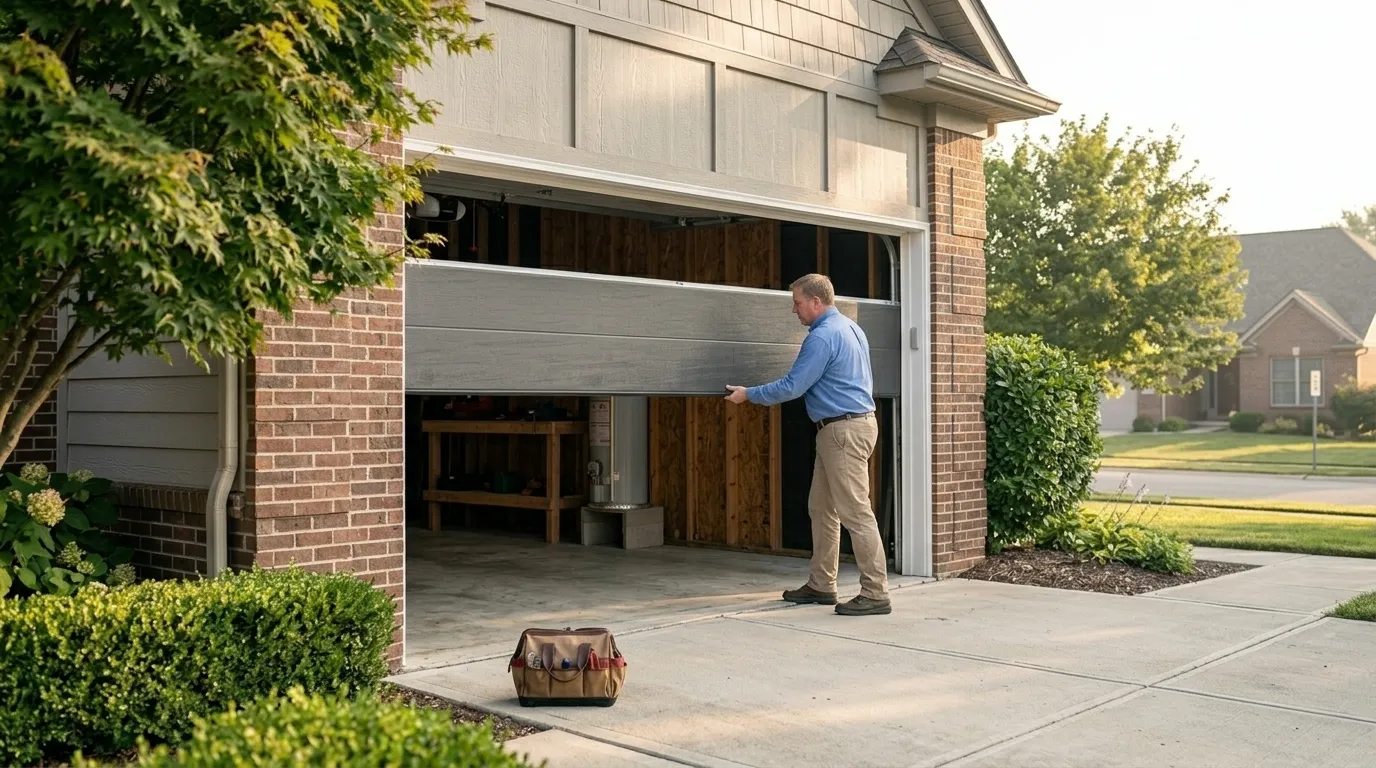
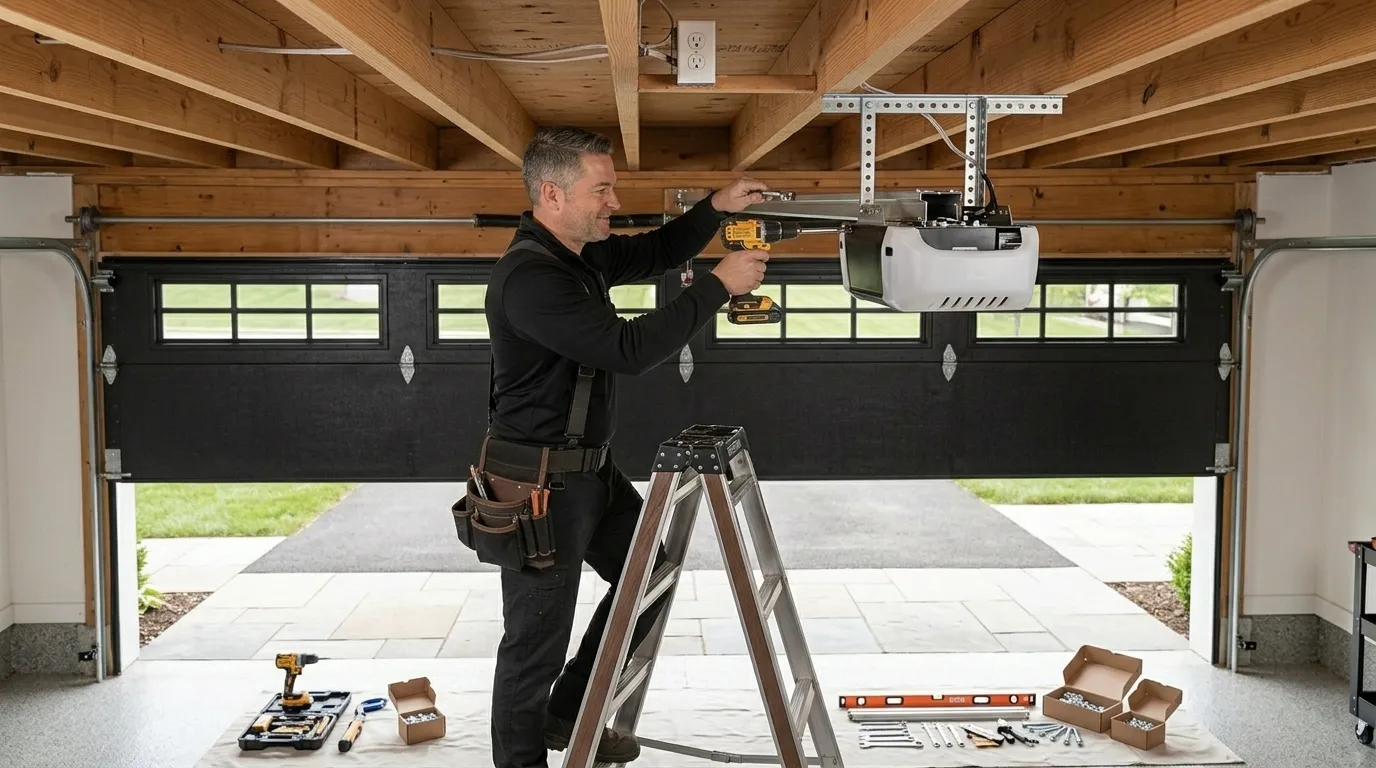
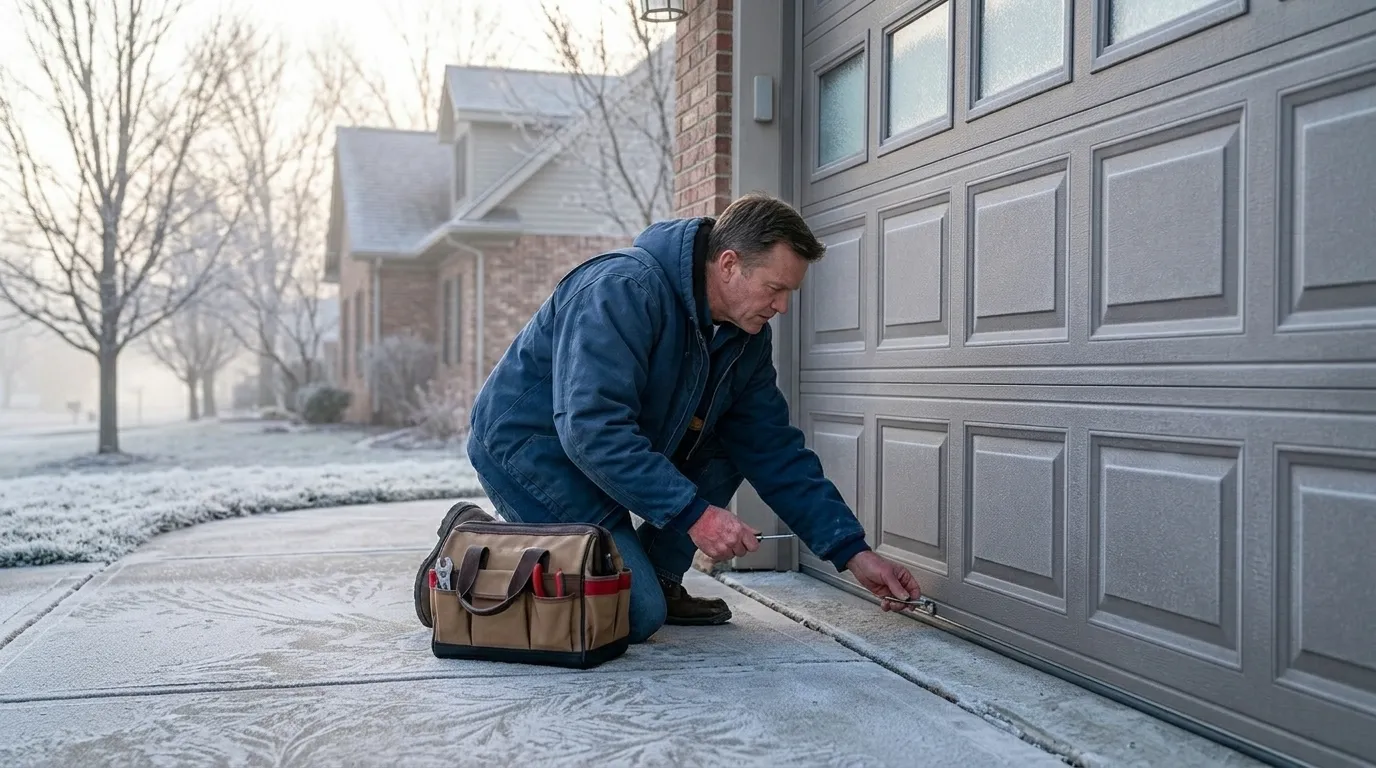
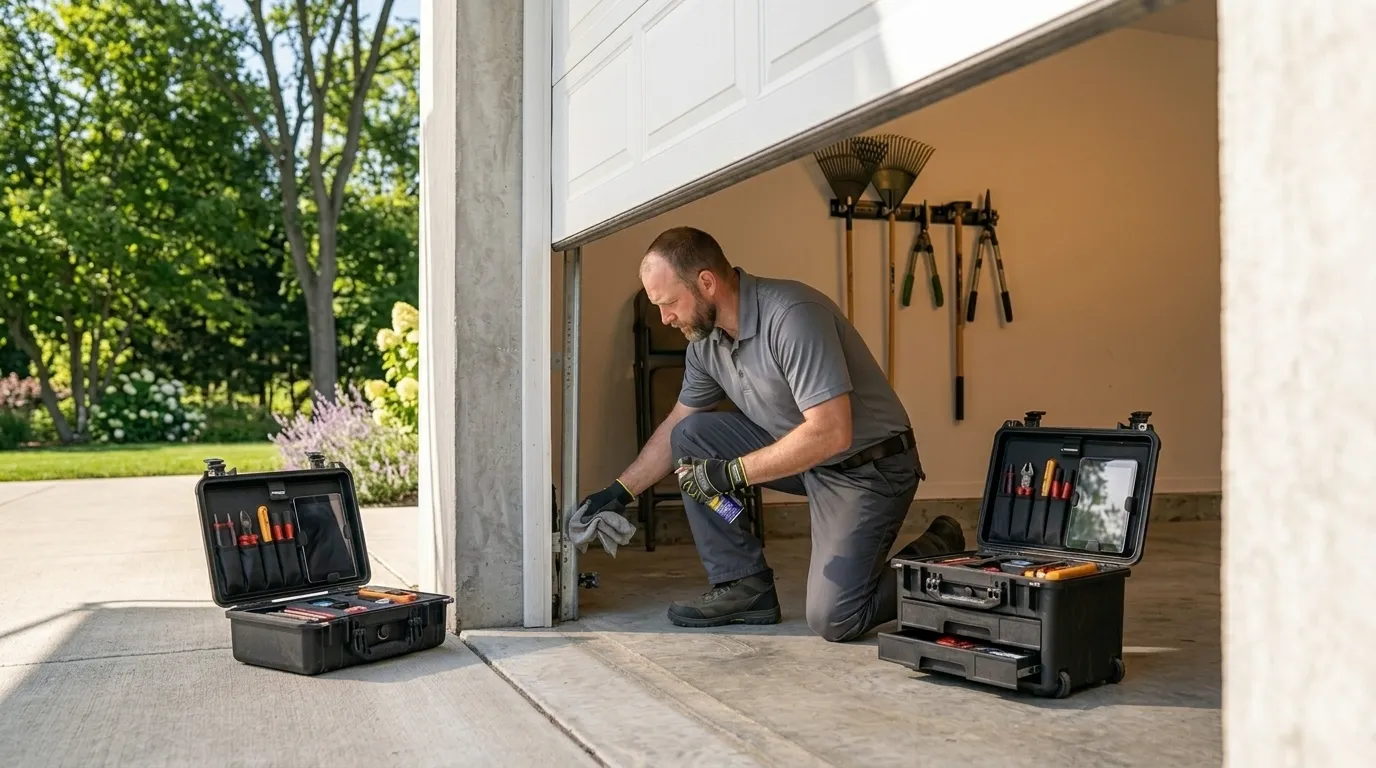
A look at the doors, springs, and openers our crew has been on lately.
Areas We Serve
Frequently Asked Questions
Why did my spring snap in the middle of winter with no warning?
Cold makes torsion springs lose flex, and a spring near the end of its life will often hold through fall and fail on the first hard freeze. This is common in our climate band and one reason spring failures cluster in winter here rather than spreading evenly through the year.
My house was built in the early 1990s - is that door original?
A lot of houses from that era still have the builder's original steel sectional door and a first or second-generation opener. If neither has been replaced, the springs are likely well past a safe service life even if the door still looks fine from the driveway.
Do you carry parts for older, narrower garage openings?
Not always on the truck. Some of the area's homes from the 1938-1960s range have narrower original openings that don't match standard modern panel sizes, and matching hardware for those can mean a special order rather than a same-day repair.
How do you decide between fixing my opener and replacing the whole unit?
If the motor and logic board are sound and it's a belt, gear, or sensor issue, that's a repair. Once the board itself is failing on an opener old enough to be original to a 1990s build, replacement is usually the better use of your money.
Ready to Get Your Door Fixed Right?
Call now or request a quote online, and we will tell you straight what your door needs.